Over the past years, Yemen has witnessed a prolonged conflict that has led to a continuous deterioration in humanitarian and living conditions. This has affected people’s lives through worsening food insecurity, water scarcity, and declining livelihood opportunities, alongside rising prices and economic decline. Al-Mawaset and Al-Selw districts in Taiz Governorate are among the most vulnerable and affected areas, facing increasing challenges such as the depletion of water resources, the drying up of agricultural lands, and weak investment in the agricultural sector. These factors have further exacerbated the suffering of the most vulnerable households, limiting their ability to improve their sources of income and strengthen their livelihood resilience.
Abdulwadood Ahmed Naji, 38 years old, is a farmer living in Al-Selw District, Al-Qabila sub-district. He supports a family consisting of seven males and three females. He works in farming maize, almonds, potatoes, and onions, which helps him cover his family’s expenses.
Abdulwadood tells us about his situation before the intervention, saying that he used to travel for about fifteen minutes by motorcycle, which cost him 8,000 Yemeni rials for transportation alone, not including the other costs of purchasing vegetables. He added that most of the vegetables available on the market were full of fertilizers and chemicals.
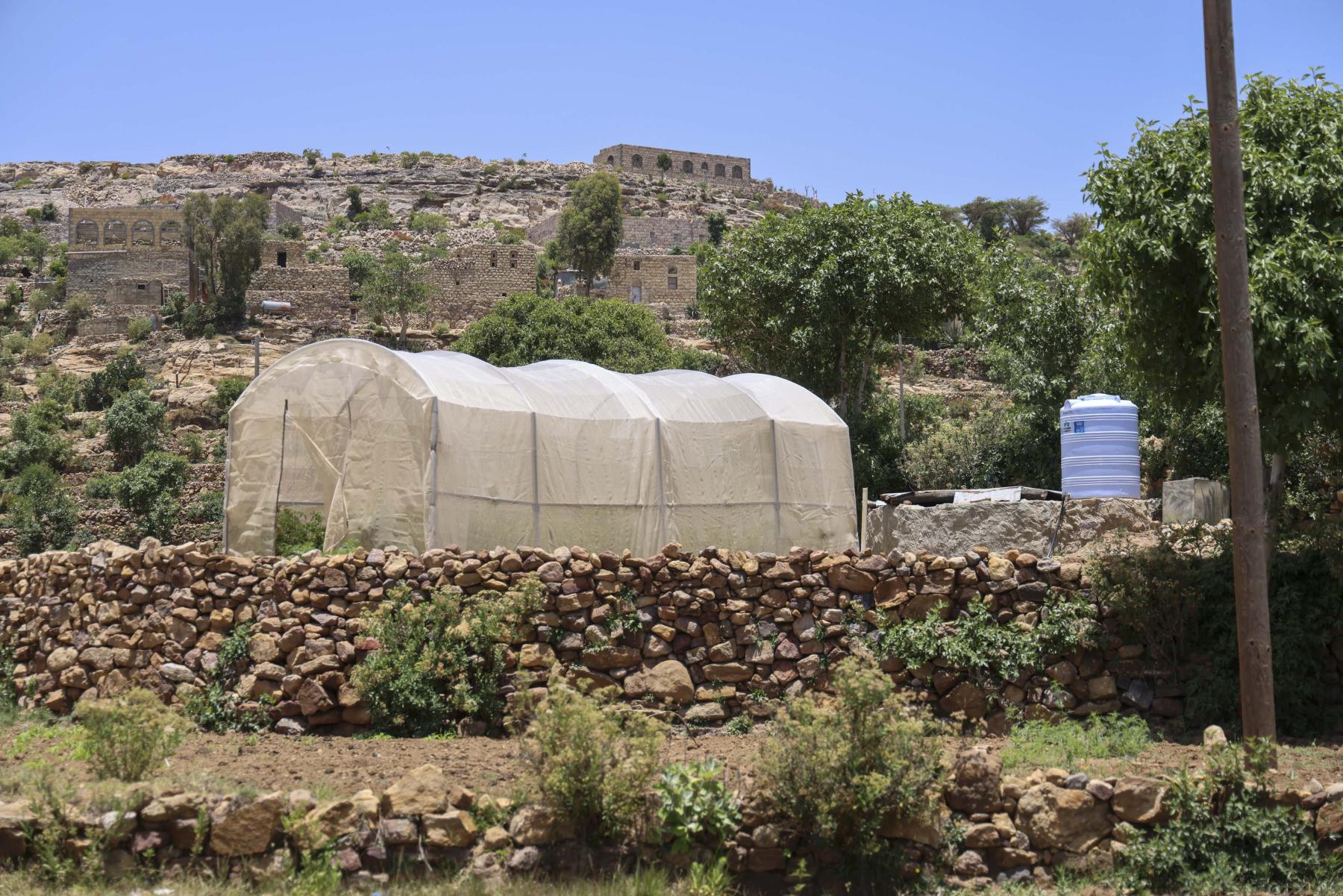
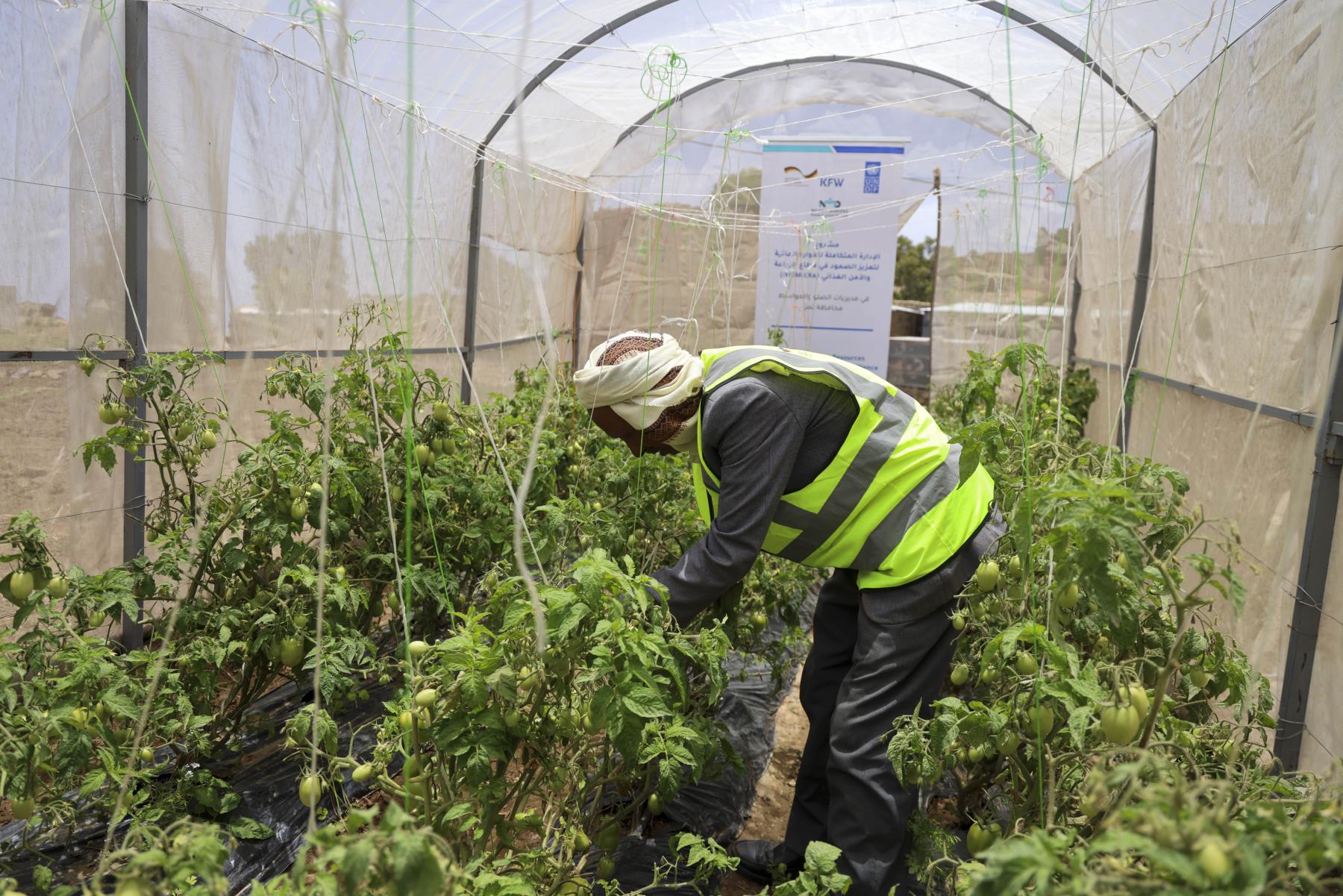
In December 2025, Nahda Makers Organization (NMO), with support from the United Nations Development Programme (UNDP), intervened by implementing small- agricultural initiatives project for the most vulnerable families in the Al-Selw and Al-Mawasit districts. The intervention provided beneficiaries with a complete home garden kit, including: A metal greenhouse structure netting, high-quality tomato seeds, agricultural tools, a water tank and drip irrigation pipes. In addition to the physical supplies, all beneficiaries received comprehensive training on agricultural value addition and modern farming techniques. To ensure the highest quality of implementation, NMO’s agricultural engineers provided continuous technical support throughout the setup and cultivation phases. Following a beneficiary list submitted by local WUAs in the target areas, the NMO team conducted a field visit to Abdulwadood's home to verify her eligibility against the selection criteria. He was successfully selected and provided with her own home garden
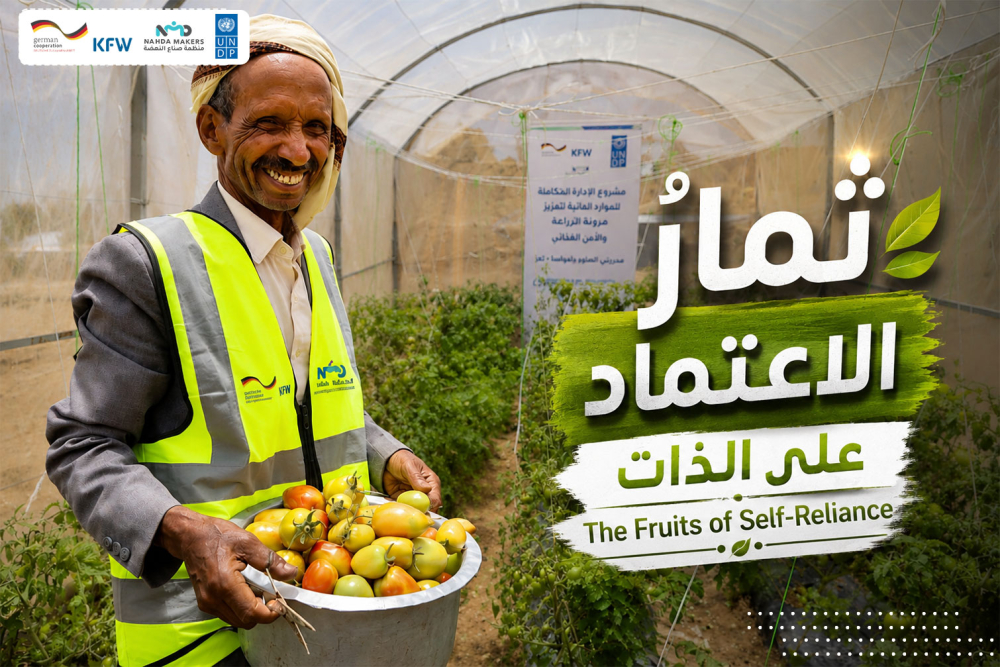
Regarding his situation after the intervention, Abdulwadood told us, “I started to rely on myself for vegetables, especially tomatoes, zucchini, and coriander, and I saved a lot of money. The most important benefit for my family and me from the home garden is that I have stopped buying vegetables full of fertilizers and chemicals. Now all our vegetables are fresh and harvested daily, and I also share some of these fresh tomatoes with my neighbors.” Speaking about his future plans for the garden he received, Abdulwadood confirmed that he intends to plant garlic, watermelon, and cucumbers.
Finally, Abdulwadood expressed his sincere thanks and appreciation to Nahda Makers Organization (NMO) and the United Nations Development Programme (UNDP), as well as to the agricultural engineers for their efforts in raising beneficiaries’ awareness about the production of natural fertilizers. He also hoped that supporting organizations would increase the number of beneficiaries of home garden projects, while suggesting that the garden area be expanded to allow the cultivation of more than one type of vegetable.
It is worth noting that this activity is part of the " Integrated Water Resources Management to Enhance Resilience of Agriculture (ERA) and Food Security" project, funded by the (#BMZ) through (#KfW), implemented by the (#UNDP) in collaboration with #Nahda_Makers (#NMO).